The difference between trophy and meat hunting comes down to the hunter’s primary goal. Meat hunting is undertaken chiefly to put food on the table, so the focus is on the eating quality of the animal, often a younger or female animal from an abundant population. Trophy hunting is undertaken chiefly to take a particular animal of note, usually a mature male carrying impressive antlers, horns or tusks, valued for the challenge, the achievement and the trophy it yields. In short, one prioritises the meat and the other prioritises the animal itself, but the two are far less separate in practice than the terms suggest.
That last point matters more than any dictionary definition, because in responsible, well-managed hunting the meat from a trophy animal is almost never wasted. A trophy stag or bull is butchered and eaten just like any other, whether by the hunter, by local communities, or through the game meat market. At Field and Forest Hunting we arrange both kinds of hunting, and our founder Paul spent his career as a gamekeeper and deer manager doing both the trophy stalking and the management culling that keep a herd healthy. Understanding how the two really relate helps you choose the right hunt and hunt in the right spirit.
What meat hunting is
Meat hunting, sometimes called hunting for the pot or provision hunting, is the older and more fundamental of the two. The goal is food, and every decision follows from that. Hunters tend to select animals that eat well, which usually means younger animals or females rather than old males, and they favour abundant species where taking numbers is sustainable.
In a management context this overlaps closely with cull hunting, where does and hinds and surplus animals are taken to keep populations in balance with the habitat. The meat is the reward, but the wider purpose is a healthy, well-managed population. There is nothing lesser about this kind of hunting. It is arguably the most essential work a hunter does.
What trophy hunting is
Trophy hunting shifts the primary goal from the table to the animal itself. The hunter sets out to take a specific, often mature animal that is exceptional in some way, most commonly a male carrying large antlers, horns or tusks, and the trophy, whether a mount, a set of horns or a European skull, becomes a lasting memento of the hunt.
Trophy quality is often measured formally, using scoring systems such as CIC in Europe or SCI internationally, which assess antler weight, horn length and symmetry. This is where much of the skill and patience of hunting concentrates, because finding and taking a genuinely mature animal, frequently one that has already passed on its genetics, is difficult and demands real judgement. Importantly, targeting old, past-prime males is also sound management, since it removes animals near the end of their breeding life while leaving the prime breeders in place.
Why it is not really a binary
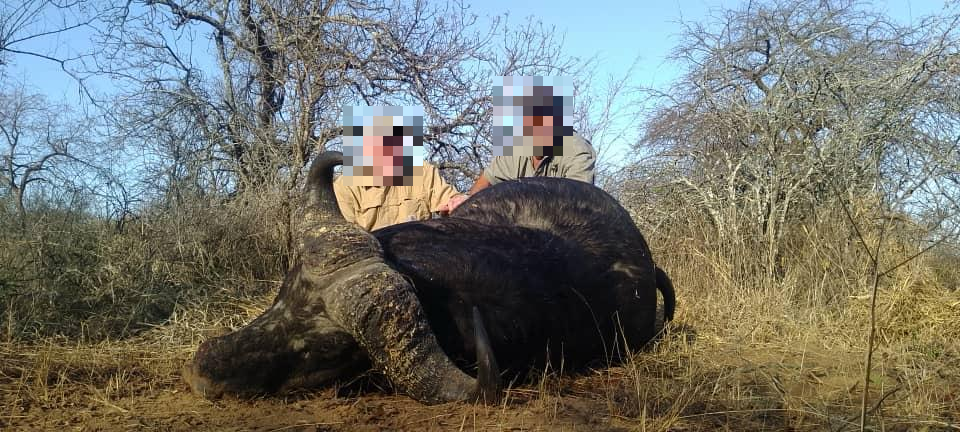
The popular image of trophy hunting as taking a head and leaving the carcass is, in responsible hunting, simply false. Across Europe the use of game meat is both a legal requirement and a deep cultural expectation, so the venison from a trophy stag or the meat from a driven boar enters the food chain as a matter of course. In Africa, the meat from a trophy animal typically feeds local communities, often providing a significant source of protein where it is genuinely needed.
We have found that hunters new to the sport are often surprised to learn how central the meat remains even on a trophy hunt. The honest picture is that most hunting sits somewhere on a spectrum between the two ideals rather than at one extreme, and the best of it honours both the animal and the table.
The role each plays in conservation
Both forms of hunting serve wildlife management, just in different ways. Cull and meat hunting control numbers directly, taking the does, hinds and surplus animals that would otherwise lead to overpopulation, habitat damage and disease. Trophy hunting removes a small number of old males and, crucially, generates the revenue that funds conservation, anti-poaching and habitat protection, particularly in parts of Africa where that income gives wildlife tangible value to local people.
A well-run hunting operation uses both as tools. The trophy hunts sustain the economics, while the management hunts keep the population in shape, and the meat from both is put to good use.
The practical differences for you
For the hunter choosing a trip, the two feel quite different in cost, pace and character. Trophy hunts are more selective and more expensive, since you are paying for the guiding, the ground and often a trophy fee, and they can involve long, patient waits for the right animal to appear. Management and meat hunts are generally cheaper, more active, and more about time in the field and numbers than about holding out for one exceptional beast.
In our experience, a management or cull hunt works better than a trophy hunt for a hunter’s first trip because it offers more action, more time behind the rifle, a lower cost and a genuine contribution to the health of the ground, whereas holding out for a single trophy animal can mean a long and patient wait that a newcomer may find frustrating. Learn the craft on a management hunt, and the trophy hunts you take later will be all the more rewarding for it.
Driven boar, where the two meet
Driven wild boar hunting is a good example of how blurred the line can be. A driven boar day in Hungary, Austria or Germany is exciting, sociable sport, it is essential population management for a species that causes real agricultural damage, and it produces a great deal of excellent meat that goes straight into the food chain. It is trophy, management and meat hunting all at once, depending on how you look at it.
Our current special offers illustrate the contrast nicely, ranging from a Carpathian red stag package with a trophy included at one end to a high-volume driven boar day taking fifty boar at the other. Both are legitimate, responsible hunting, simply with different emphases.
Which is right for you
Neither form is superior. The right choice depends on what you want from a hunt. If your priority is filling the freezer, contributing to management and spending plenty of time in the field, a meat or cull hunt is ideal. If your ambition is a specific, hard-won animal and the lasting trophy that comes with it, then a trophy hunt is what you are after. Many hunters, over time, do both, and come to value each for different reasons.
Whichever you choose, the principles of responsible hunting stay the same. Fair chase, a clean and ethical shot, full use of the animal, and complete respect for the law and the quarry.
The experience behind the advice
Advice on this is best taken from people who have hunted across the whole spectrum. Paul has managed deer herds through both trophy stalking and cull work, takes part in between forty and fifty driven hunts each year, and has completed more than twenty-five African safaris. That breadth means we can guide you honestly towards the kind of hunt that genuinely suits you rather than simply the most expensive one. You can see the range of hunting we arrange in our gallery and across our destinations.
Plan your hunt
Understanding the difference between trophy and meat hunting is really about understanding your own goals, and then hunting in a way that respects the animal whichever path you take.
To talk through which kind of hunt suits you, get in touch and speak to us directly. You can call us in the UK on +44 (0)7789 224466 or in the US on +1 (307) 259 9861, and we will give you a straight, experienced answer.