
So, What Is Trophy Hunting
Trophy hunting refers to the practice of hunting specific animals, usually selected for their size, maturity, or distinctive characteristics, with the intention of preserving part of the animal (such as antlers, horns, or a skull) as a record of the hunt. However, while the term often attracts debate, the reality is far more structured and grounded in wildlife management than many assume. In practice, we see that trophy hunting forms part of regulated conservation systems across Europe, Africa, and beyond, where maintaining healthy populations depends on controlled and selective harvesting.
What Trophy Hunting Actually Means
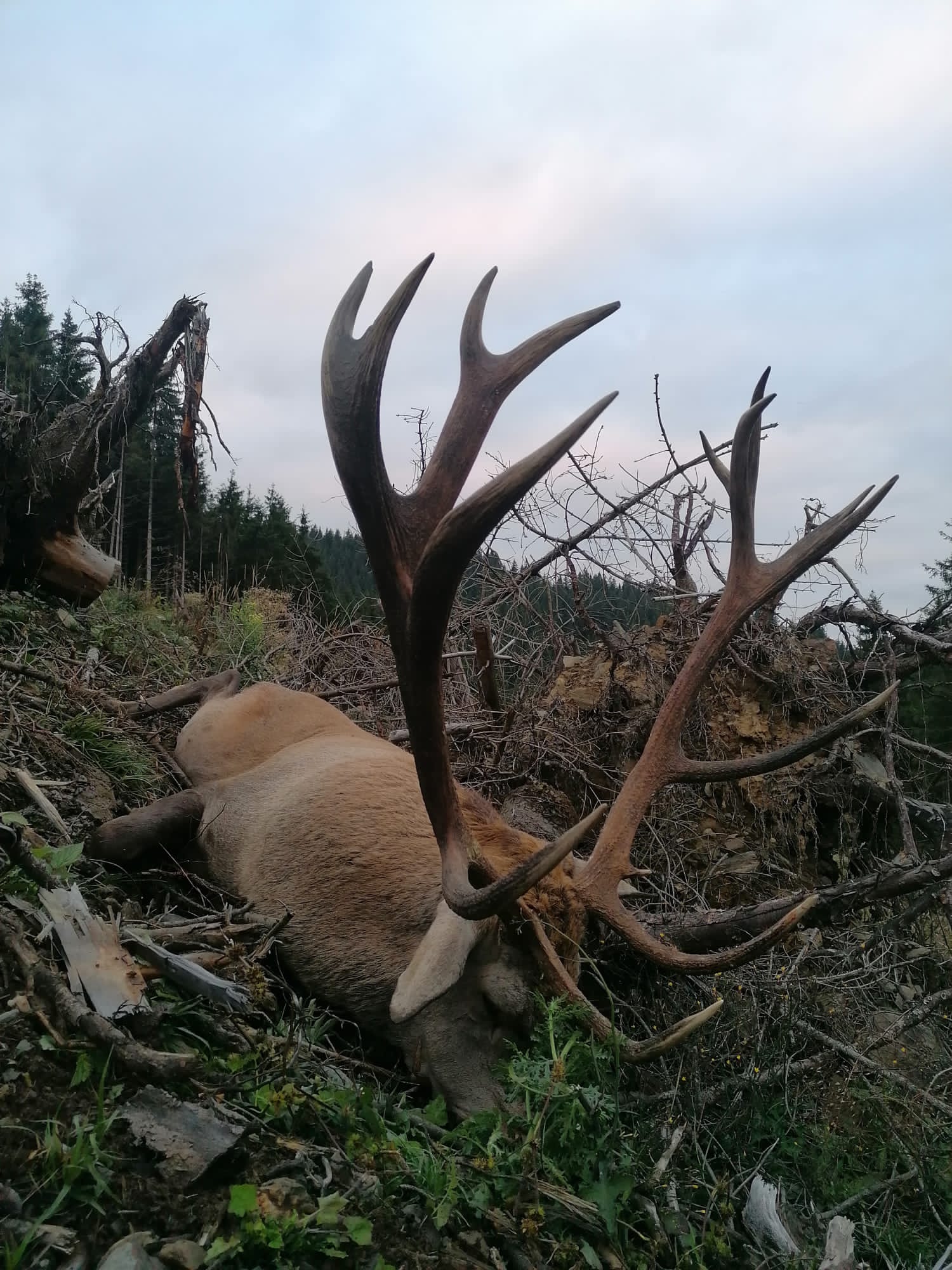
At its core, trophy hunting focuses on harvesting mature animals that have already contributed to the breeding population. Rather than targeting the largest animal indiscriminately, responsible hunts prioritise age, condition, and long-term management goals. For example, red stag hunting in Hungary often centres on animals that have passed their peak breeding years, while hunts in Romania and Croatia operate under strict quotas based on ongoing population monitoring. As a result, trophy hunting plays a defined role within a broader system that balances wildlife numbers, habitat, and long-term sustainability.
The Role of Trophy Hunting in Conservation
When managed correctly, trophy hunting directly supports conservation. Across Europe, structured hunting programmes ensure that wildlife populations remain balanced and that habitats do not suffer from overpopulation or disease. For instance, in countries such as Germany and Austria, authorities regulate hunting closely, and land managers maintain detailed records of population health. Similarly, in Africa, particularly in Zimbabwe, hunting concessions fund anti-poaching operations, protect large areas of wilderness, and provide income for local communities. Consequently, these systems create a financial incentive to preserve wildlife rather than remove it. In practice, what we see is that areas with controlled hunting often maintain stronger and more stable populations than areas without active management.
How Trophy Hunting Trips Work
Trophy hunting usually takes place as part of a guided hunting trip, where organisation and local expertise play a critical role. The process begins by selecting the right destination, species, and timing. For example, the red stag rut in Hungary requires careful planning to coincide with peak activity, while mountain hunts in Spain demand flexibility based on weather and terrain. Once the hunt begins, guides assess animals carefully before any shot is taken, ensuring that the correct animal meets management criteria. This level of selectivity separates trophy hunting from more general forms of hunting. After a successful hunt, trophies are prepared, measured, and documented according to local standards, often forming part of an official record. As a result, the entire process combines field experience with structured oversight.
The Difference Between Trophy Hunting and General Hunting
Although the two are often grouped together, trophy hunting differs significantly from general hunting. General hunting may focus on harvesting animals for meat or population control without strict selection criteria. In contrast, trophy hunting requires a deliberate and disciplined approach, where guides and hunters evaluate animals before taking a shot. This means that patience plays a much greater role. In practice, we often see hunters pass on multiple opportunities while waiting for the correct animal, which can be unfamiliar for those new to this type of hunting. Therefore, success is not simply about taking an animal, but about taking the right animal at the right time.
Common Misconceptions About Trophy Hunting
Trophy hunting is frequently misunderstood, particularly by those outside the hunting community. One of the most common misconceptions is that it focuses purely on killing the largest animal available. In reality, ethical trophy hunting prioritises sustainability and long-term population health. Another misconception is that trophy hunts are easy or guaranteed. However, many hunts, especially in remote areas such as Russia and the CIS, involve challenging terrain, unpredictable conditions, and physically demanding days. What actually tends to happen is that hunters quickly realise the difficulty involved, particularly when pursuing mountain species or tracking game across large, undeveloped landscapes. As a result, the experience often proves far more demanding than expected.
What Makes a Trophy Hunt Valuable
The value of a trophy hunt extends far beyond the physical trophy itself. While antlers or horns provide a lasting record, the experience behind them carries far more significance. Several factors contribute to a meaningful trophy hunt:
- The difficulty of the terrain and conditions
- The level of skill required to locate and approach the animal
- The quality of the guiding and organisation
- The authenticity of the environment and hunting method
In practice, we find that hunters remember the conditions, the challenge, and the overall experience far more clearly than the final measurement of the trophy. Therefore, focusing solely on size often misses the point of the hunt entirely.
Equipment and Preparation
Preparation plays a critical role in the outcome of any trophy hunt. Accurate shooting becomes especially important when targeting specific animals under guided conditions. Stable shooting systems, such as those from Spartan Precision Equipment, improve consistency and confidence in real-world scenarios. In addition, rifle reliability must not be overlooked. Many experienced hunters work with specialists such as Barton Gun Works to ensure their equipment performs reliably before travelling. Furthermore, physical preparation matters, particularly for mountain or high-altitude hunts, where endurance often determines whether opportunities can even be reached. As a result, preparation often separates successful hunts from disappointing ones.
Where Trophy Hunting Takes Place
Trophy hunting takes place across a wide range of environments, each offering distinct challenges and experiences. For example:
- Eastern Europe, including Romania and Hungary, offers strong populations of red stag, bear, and wild boar
- Central Europe, such as Germany and Austria, delivers highly structured and traditional hunting environments
- Spain provides unmatched diversity in mountain species, including ibex and chamois
- Africa offers dangerous game hunting in vast, unfenced wilderness areas
- North America delivers large-scale hunts across varied terrain and species
Each of these regions offers a different type of challenge. Therefore, choosing the right destination depends on your experience level, physical capability, and the type of hunt you want to undertake.
Why Experience and Guidance Matter
Trophy hunting relies heavily on experience, both from the hunter and the guide. Local knowledge plays a decisive role in locating animals, understanding behaviour, and making correct decisions in the field. In practice, we see that experienced guides consistently improve outcomes, not only in terms of success but also in terms of safety and overall experience. Moreover, working with established operators ensures that hunts follow proper regulations and ethical standards. This is particularly important when hunting in unfamiliar countries, where legal requirements and expectations can differ significantly. As a result, guidance becomes one of the most important factors in the entire process.
Conclusion
Trophy hunting is often reduced to a simple concept, yet in reality, it represents a structured and carefully managed approach to hunting that supports conservation, maintains wildlife populations, and delivers meaningful experiences. While the term itself can be misunderstood, the underlying principles remain rooted in sustainability and long-term management. At Field and Forest Hunting, we organise trophy hunts across Europe, Africa, and beyond, working with trusted estates and partners we know first-hand. As a result, we ensure each hunt reflects both ethical standards and high-quality experiences built on real knowledge of the field. If you want to understand how trophy hunting works in practice or explore the right option for your next hunt, Contact us to find out more.
