
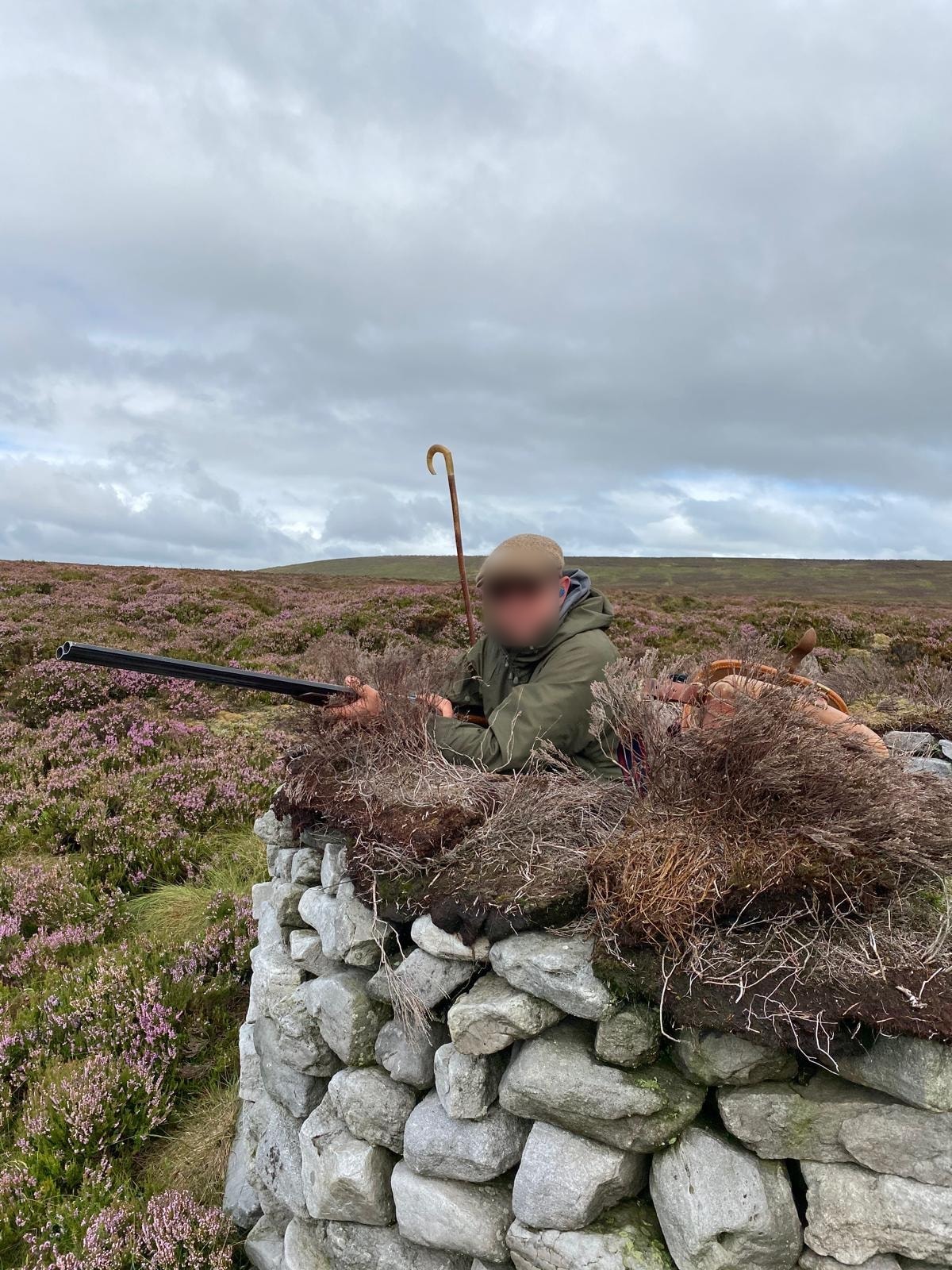
England offers genuinely excellent deer hunting and far more limited wild boar hunting, and it is important to understand the difference before you plan a trip. All six species of British deer, red, roe, fallow, sika, muntjac and Chinese water deer, can be found and stalked across England, with strong populations spread through the West Country, the southern counties, East Anglia and beyond. Wild boar, by contrast, exist only as localised feral populations, the largest by far in the Forest of Dean, and the opportunities to hunt them are genuinely restricted. If you want deer, England is superb. If you want boar in real numbers, the honest answer is that the Continent is where to go.
That distinction shapes everything about planning a hunt here, so this guide sets it out plainly. At Field and Forest Hunting we arrange deer stalking in England, and our founder Paul spent years as a gamekeeper, deer manager and head keeper on English estates, so the guidance below is grounded in real experience of this ground rather than theory. Below we cover where to find and hunt each, the seasons and the law, and where the Continent takes over when it comes to boar.
Deer stalking in England
England is one of the finest places in the world for varied deer stalking, largely because all six species live here and each offers something different.
Red deer are the largest and most prized. The strongest wild herds are in the West Country, above all on Exmoor and the Quantocks, with further populations in the Lake District, parts of East Anglia and various private estates. A mature red stag is a formidable animal, and stalking one during the autumn rut is a highlight of the British hunting calendar.
Roe deer are the most widespread and accessible, found across much of the country and particularly through the southern and eastern counties. Fallow deer are also common and widely distributed, sika are more localised in areas such as Dorset and the New Forest, and the small muntjac and Chinese water deer are concentrated in East Anglia and the Midlands. This variety means a hunter can pursue several species without leaving the country.
Seasons vary by species and by sex, so they must be checked before you hunt. As an example, the red stag season in England runs from 1 August to 30 April, while roe bucks may be taken from 1 April to 31 October and roe does through the winter. You will also need a valid firearms certificate, the correct calibre, and the landowner’s permission, all of which a reputable outfitter will help you arrange. There is more on the British scene in our guide to hunting in England.
In our experience, roe stalking works better than red stag stalking for a hunter taking their first English deer because roe are far more widespread and accessible, the ground is available across much of the country, and the shorter woodland ranges suit a newcomer building confidence, whereas a mature red stag demands more specialised ground and careful timing around the rut. Start with roe, learn the craft, and the bigger species become far more rewarding.
The reality of wild boar in England
Wild boar are a genuinely different proposition, and it is worth being honest about what is and is not possible. Boar were hunted to extinction in Britain around three hundred years ago, and today’s animals descend from farm escapes and releases since the 1990s. They now exist as feral breeding populations in a handful of areas, with the Forest of Dean in Gloucestershire holding the largest by a considerable margin, and smaller colonies in Kent and East Sussex, Dorset and South Wales.
Legally, wild boar occupy an unusual position. They are not listed in game legislation and are not protected under the Wildlife and Countryside Act 1981, which means they have no close season and can be hunted year-round with the appropriate firearms certificate and written landowner permission. In practice, most English boar shooting takes place from high seats at dawn, dusk or at night, since the animals are largely nocturnal, and it is done on private permissions rather than on the public forest, where Forestry England manages the population itself. Availability is limited and the ground is tightly held.
There is also an important ethical point that responsible hunters observe. Sows breed throughout much of the year, so you should never shoot a sow with dependent young, which effectively creates a rolling close season regardless of the lack of a legal one.
The upshot is that hunting wild boar in England is possible but genuinely niche. It is localised, access is restricted, and it is nothing like the abundant boar hunting many hunters imagine.
Where the Continent takes over
This is where honesty serves you best. If your goal is real wild boar hunting, whether by stalking or on a driven day, mainland Europe is where it happens on a completely different scale.
In our experience, hunting driven boar in Europe works better than seeking wild boar in England for hunters who want genuine boar action because England’s boar are confined to a few localised pockets with very limited access, whereas a driven day in Hungary, Austria or Romania puts you among boar in real numbers on ground managed specifically for it. It is a more reliable, more exciting and altogether more complete experience.
The Continental driven boar day is a tradition in its own right, most formal and ritualised in Germany and Austria, and delivered at high volume on the great estates of Hungary. Our current special offers have included a Hungarian driven boar package of two days of driven hunting with three nights of half board, priced per hunter for a group of ten, which gives a sense of the scale on offer. For a hunter who has only ever chased the odd boar in England, a European driven day is a revelation.
The experience behind the advice
Sound guidance on deer and boar comes from people who have managed both, not merely hunted them occasionally. Paul trained as a gamekeeper, learned game and deer management, and rose to head gamekeeper and shoot manager on English estates, and he takes part in between forty and fifty driven hunts every year on the Continent. That combination means we can advise honestly on what England genuinely offers for deer, and where Europe is the better answer for boar. You can see the kind of animals and country these hunts produce in our gallery.
Plan your hunt
For deer, England is hard to beat, with six species and stalking to suit every level of experience. For boar, hunt the localised English populations if you have the access, but look to Europe for the real thing. Getting that balance right is exactly what we can help with.
To plan a deer stalking trip in England, or a driven boar hunt on the Continent, get in touch and speak to us directly. You can call us in the UK on +44 (0)7789 224466 or in the US on +1 (307) 259 9861, and we will give you a straight, experienced answer.
