
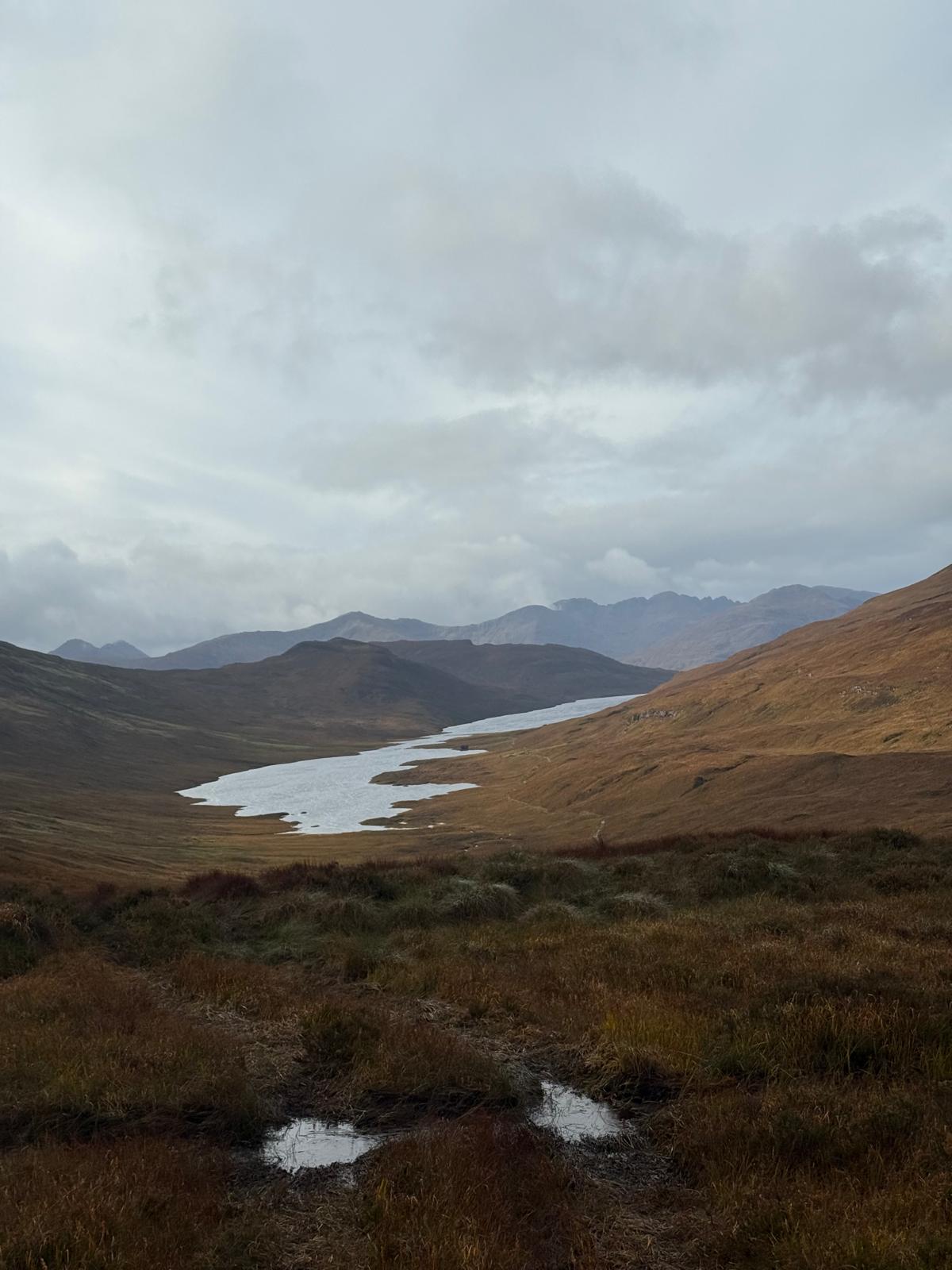
So, What Animals Can You Hunt in England
If you’re asking what animals can you hunt in England, the answer is far broader than many people expect. England offers one of the most diverse hunting environments anywhere in Europe, with multiple deer species alongside world-renowned game shooting. Unlike countries focused around one or two quarry species, England combines woodland stalking, open farmland hunting, and traditional driven shooting within a relatively compact area. At Field and Forest Hunting, we organise hunting experiences across the British Isles alongside our international destinations, and in our experience, many visiting hunters arrive expecting only traditional deer stalking but quickly realise the variety available in England is one of its biggest strengths.
Deer Species You Can Hunt in England
England is particularly well known for its deer stalking. In fact, it offers more huntable deer species than most European countries, which creates opportunities for both experienced hunters and first-time visitors.
Red Deer
Red deer are the largest deer species in England and remain one of the country’s most recognisable quarry animals. While Scotland often receives most of the attention for red stag stalking, England also provides excellent opportunities, particularly across managed estates and larger countryside areas.
During the rut in autumn, stags become highly active and vocal, which creates a more intense and atmospheric stalking experience. In our experience, English red deer stalking works better than open Highland stalking for hunters who prefer mixed terrain and slightly less physically demanding conditions because woodland and farmland often provide more cover during the approach.
Roe Deer
Roe deer remain one of the most popular species for stalking in England. They inhabit woodland edges, farmland, forestry blocks, and rolling countryside throughout much of the country.
What we’ve found over years of organising hunts is that English roe deer consistently offer some of the finest stalking in Europe because the terrain requires careful movement, patience, and close attention to wind direction.
In practice, roe stalking often suits hunters who enjoy a slower and more technical approach rather than covering long distances quickly.
Fallow Deer
Fallow deer are widespread throughout England and are particularly well known for their herd behaviour and distinctive appearance. During the rut, bucks become more vocal and territorial, which creates exciting stalking opportunities.
Fallow stalking often involves:
- Woodland edge observation
- Early morning and evening movement
- Careful positioning near feeding areas
In our experience, fallow deer stalking works better during cooler autumn conditions because movement patterns become far more predictable once temperatures begin dropping.
Sika Deer
Sika deer exist in select regions of England and provide a very different stalking experience. They are naturally cautious and often inhabit denser woodland or rougher terrain.
What actually surprises many hunters is how elusive sika can be despite their size. From working with clients on sika hunts, we’ve found that patience and silence consistently matter more than covering large areas quickly.
Muntjac
Muntjac have become increasingly popular among both British and international hunters because they offer year-round stalking opportunities in many areas.
Unlike larger deer species, muntjac move unpredictably and often inhabit dense woodland cover. As a result, opportunities can appear suddenly and disappear quickly.
In our experience, muntjac hunting works better for hunters who enjoy reactive woodland stalking rather than long-distance glassing or open-ground approaches.
Chinese Water Deer
Chinese water deer remain one of England’s most unique quarry species. Found mainly in eastern regions, they favour lowland farmland and reedbed environments.
Their movement patterns and appearance differ significantly from traditional European deer species, which makes them highly sought after among collectors and international visitors.
Over the years, we’ve found that hunters pursuing Chinese water deer often underestimate the difficulty involved because visibility and terrain play a larger role than distance alone.
Game Birds You Can Hunt in England
England is also internationally recognised for traditional game shooting, particularly driven pheasant and partridge shooting.
Pheasant
Driven pheasant shooting remains one of the most prestigious sporting experiences available in the UK. Birds are driven over Guns positioned strategically across woodland, valleys, and rolling countryside.
Well-managed pheasant shoots focus heavily on:
- Bird presentation
- Sporting quality
- Safety and etiquette
- Habitat and game management
In our experience, pheasant shooting in England works better than many high-volume shooting operations abroad because the focus remains on the overall sporting experience rather than simply producing large numbers.
Partridge
Driven partridge shooting provides a faster and often more technical shooting experience than pheasant shooting. Birds tend to fly lower and quicker, which demands sharper reactions and accurate shooting.
Many estates combine pheasant and partridge drives throughout the season, creating varied shooting across the day.
Pest and Predator Species
England also allows the control of certain pest and predator species under specific legal conditions. These may include:
- Foxes
- Rabbits
- Corvid species such as crows and magpies
However, regulations surrounding pest control differ from sporting hunting, and legal requirements must always be followed carefully.
From working with estates and land managers, we’ve found that responsible pest control plays an important role in wider wildlife and habitat management across many shooting estates.
The Importance of Seasons and Regulations
One of the most important aspects of hunting in England is understanding seasons and legal requirements. Deer species have different open seasons depending on sex and species, while game shooting follows strict seasonal dates.
As a result:
- Timing plays a major role in planning trips
- Different species become available throughout the year
- Hunters need to follow both national law and estate-specific rules
In practice, we advise planning well in advance because the best stalking periods and driven shooting dates often book quickly.
Equipment and Preparation
Preparation remains essential regardless of the species involved. Woodland stalking often creates quick shooting opportunities, while driven shooting requires consistent gun handling and positioning.
Stable shooting systems such as those from Spartan Precision Equipment can improve accuracy during uneven or improvised shooting positions, particularly during deer stalking. Likewise, ensuring firearms perform reliably remains important, which is why many hunters work with specialists such as Barton Gun Works before the season begins.
In our experience, preparation and familiarity with equipment consistently improve results more effectively than relying purely on expensive gear.
Why England Appeals to International Hunters
England continues attracting international hunters because it offers a rare combination of accessibility, tradition, and species diversity. Over the years, we’ve organised hunting trips for clients travelling from across Europe and North America, and one pattern consistently stands out. Many visitors initially book England for one species but leave wanting to return for several others.
In practice, what separates England from many destinations is the ability to combine:
- Woodland deer stalking
- Driven game shooting
- Multiple deer species
- Traditional British sporting culture
- Well-managed estates and experienced guides
Conclusion
If you’re wondering what animals you can hunt in England, the answer includes far more than many people expect. From red deer and roe stalking through to pheasant shooting and unique species such as muntjac and Chinese water deer, England offers one of the most varied hunting environments anywhere in Europe. At Field and Forest Hunting, we organise hunting experiences across England using trusted estates, experienced guides, and first-hand knowledge developed over years of working within British sporting environments. We’ve helped arrange trips for hunters from across the world, and what consistently stands out is how strongly people value the variety and authenticity of English hunting once they experience it properly. If you want to explore hunting opportunities in England for yourself, Contact us to find out more.
