
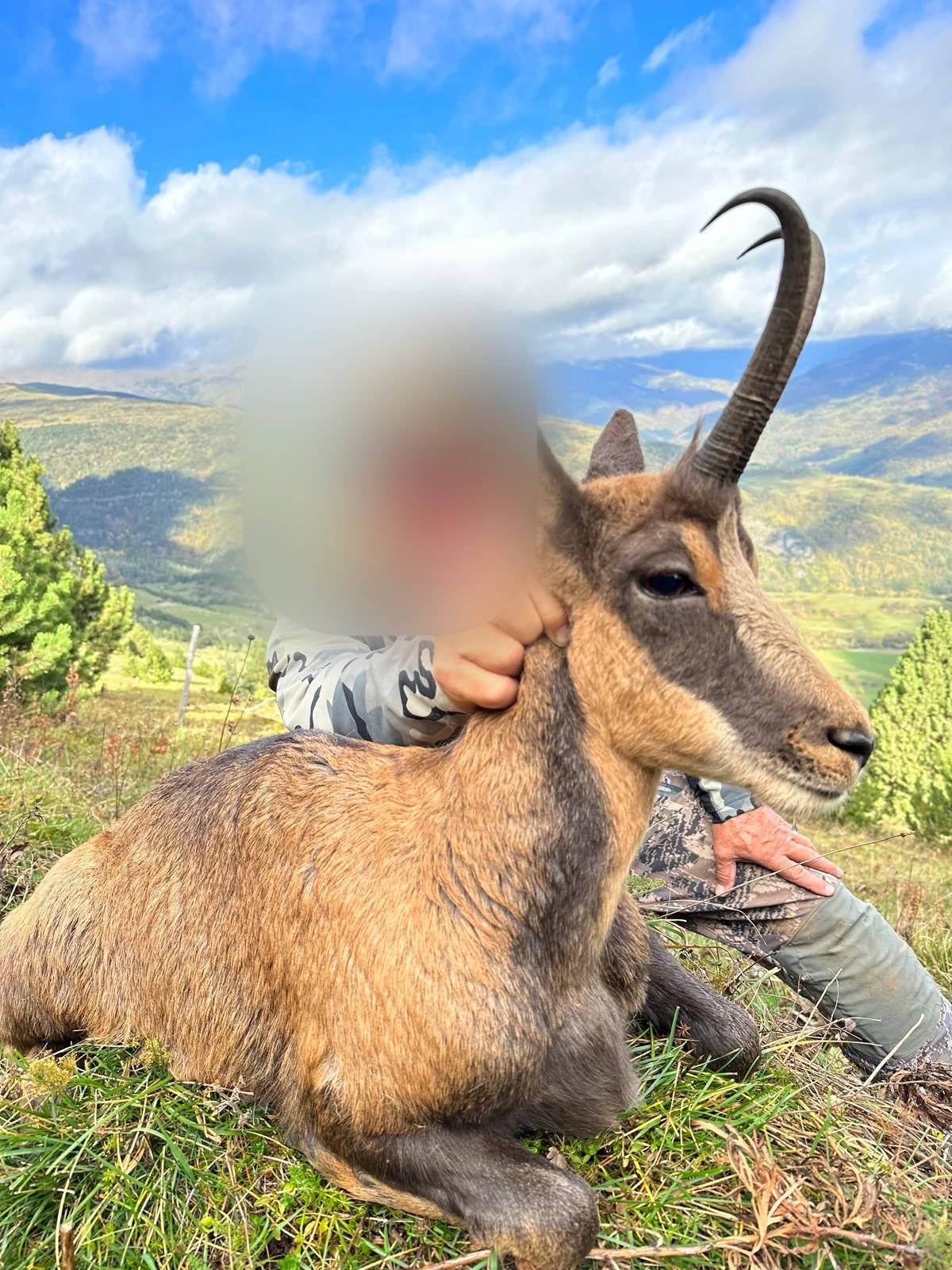
Spain is the only country in the world where you can hunt four distinct subspecies of ibex, which makes it the natural home of mountain hunting in Europe and the setting for one of the sport’s most respected achievements, the Spanish Ibex Grand Slam. The four subspecies are the Gredos, the Beceite, the Southeastern, also known as the Sierra Nevada, and the Ronda, each found in its own mountain range and each carrying horns of a distinctive shape. The season runs broadly from October to May, with the rut in November and early December offering the most active hunting, and the pursuit is a classic spot-and-stalk across genuinely beautiful terrain.
If you are planning a Spanish ibex trip, the first decision is whether you want a single subspecies or the full slam of all four. At Field and Forest Hunting we arrange ibex hunts across Spain, from a single trophy to a complete Grand Slam, and this guide sets out what makes each subspecies unique, when to go, what the hunting involves, and what else Spain offers alongside its famous ibex.
The four subspecies
Each of the four Spanish ibex is a genuine trophy in its own right, and part of the appeal is how different they are.
The Gredos ibex is the largest and most iconic, carrying classic lyre-shaped horns that curve back and up, and it is found in the granite mountains of the Sierra de Gredos in central Spain. The Beceite ibex, from the eastern ranges around Teruel, Tarragona and Castellón, carries wide, open horns so dramatically flared that they are sometimes nicknamed aeroplanes, and it holds dense, accessible populations. The Southeastern or Sierra Nevada ibex inhabits the high, dramatic cliffs of Andalusia and carries beautifully flared horns adapted to extreme terrain. The Ronda ibex, from the Andalusian mountains near Ronda, is the smallest and most elusive of the four, with tighter, shorter horns, and it presents a real challenge.
The Spanish Ibex Grand Slam
Completing the Grand Slam means taking one of each of the four subspecies, and it is regarded as one of the great mountain hunting accomplishments anywhere in the world. It can be pursued over several trips or, for the committed hunter, tackled across a single well-planned journey through the different ranges of Spain. Either way it tests skill, fitness and planning, and it takes you through some of the most varied and beautiful country the sport has to offer.
In our experience, beginning the slam with the Gredos or the Beceite works better than starting with the Ronda because those two carry the largest, most dramatic horns and hold dense, accessible populations that build confidence early, whereas the Ronda is the smallest and most elusive and is far better tackled once you have the measure of ibex hunting. Planning the order of the slam sensibly makes the whole endeavour more enjoyable and more successful.
When to go
The season varies a little by subspecies and region, but broadly runs from October through to May. The rut, in November and early December, is the standout period, when all four subspecies are most active and the mature males are on the move and more visible. The Gredos also offers a spring window into the early summer for those who prefer it. Because the timing and permits vary by range, planning well in advance is essential, particularly for a multi-subspecies trip.
What the hunting involves
Spanish ibex hunting is classic mountain spot-and-stalk. You glass the slopes and cliffs to locate a mature male, then work your way into position using the terrain and the wind, before taking a carefully judged shot. The terrain ranges from the granite of Gredos to the high cliffs of the Sierra Nevada, so a reasonable level of hill fitness makes a real difference, though the hunting is achievable for anyone in sound walking condition who has done some preparation.
A stable shooting position is important on this kind of ground, which is why a quality bipod is worth carrying, and your rifle should be accurately zeroed for mountain ranges and set up to suit you, ideally checked by a good gunsmith before you travel. You can see the kind of trophies and country involved in our gallery, and there is more on the wider region in our guide to the best hunting trips in Europe.
Beyond the ibex
Spain offers far more than its mountain goats. The same trip can often take in driven wild boar, mouflon, fallow deer and the famous red-legged partridge, and the Spanish monteria, a traditional large-scale driven hunt for red deer and boar, is an experience all of its own. There is plenty to explore on our Spain destination page, and our guide to what animals you can hunt in Europe sets the ibex in its wider context.
The experience behind the hunt
Mountain hunting is a personal passion of our founder Paul, who has spent his whole career in the industry and holds a full German hunting licence after passing the demanding Jagdschein. That depth of experience in high country is exactly what helps us plan an ibex trip properly, from choosing the right areas and timing to sequencing a full Grand Slam so that it flows rather than fights you. From working with clients over the years, we have found that a well-planned ibex trip is one of the most rewarding a mountain hunter can undertake.
Plan your Spanish ibex hunt
Whether you want a single trophy or the full Grand Slam of all four subspecies, Spain offers mountain hunting of the very highest quality in beautiful and varied country. Plan around the rut, sequence the subspecies sensibly, and prepare your fitness, and it will be a trip to remember.
To start planning, get in touch and speak to us directly. You can call us in the UK on +44 (0)7789 224466 or in the US on +1 (307) 259 9861, and we will give you a straight, experienced answer.
