
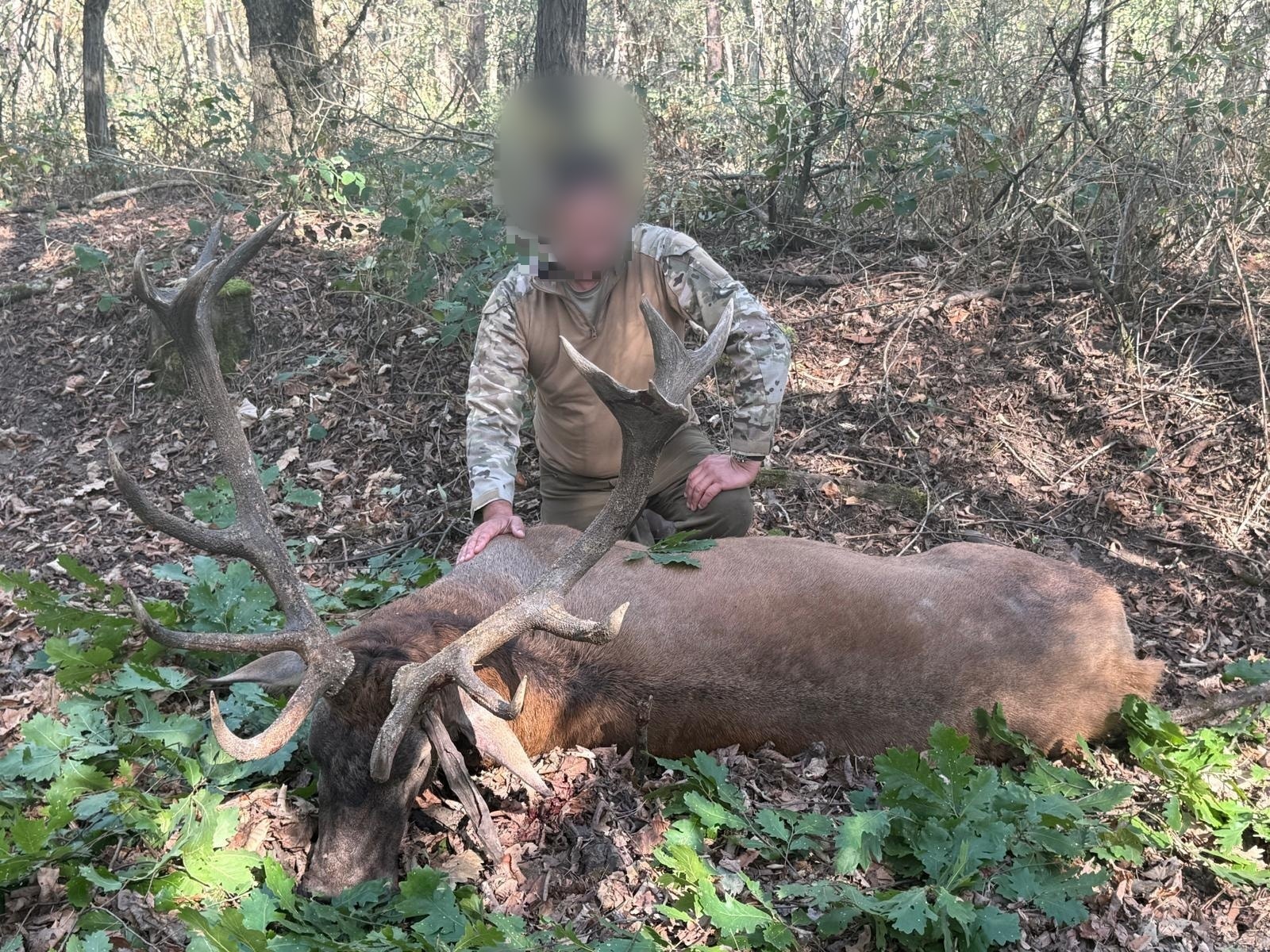
Yes, you almost always need some form of licence or permit to hunt abroad, but in most countries it is not something you apply for yourself. A UK hunter travelling to Europe, Canada, the United States or Africa usually needs three things, a local hunting licence or guest permit for the country or region you are hunting in, a permit to bring your rifle into that country, and in many places proof of hunting liability insurance. Your outfitter or host normally arranges the hunting licence as part of a guided hunting trip once you send them your details, and the firearm permit is either issued at the border or applied for in advance.
There is no single international hunting licence. The UK does not issue a general hunting licence either, which surprises some overseas authorities, so your UK firearm certificate is the key document in almost every application. Below we explain what is needed in the countries most UK hunters visit, how to take your rifle with you, and what to check before bringing a trophy home.
Why the UK is unusual
In England, Scotland and Wales there is no hunting licence as such. You need a firearm certificate for a rifle and a shotgun certificate for a shotgun, plus the landowner’s permission. In much of Europe, by contrast, hunters have to pass a formal state examination before they can hunt at all.
Germany is the best example. The German hunting exam, the Jägerprüfung, covers wildlife biology, hunting law, firearms, game handling and practical shooting, and is widely regarded as one of the hardest hunting qualifications in Europe. Our founder, Paul Smith, is one of only a handful of English hunters to have sat and passed it, and he holds a full German hunting licence. That experience is why we pay close attention to the paperwork side of every hunt we arrange.
Hunting licences country by country
Germany
A foreign hunting licence does not on its own entitle you to hunt in Germany. Visitors need a foreigner’s hunting licence, the Ausländerjagdschein, from the local hunting authority for the district they will hunt in. It can be issued for a short period, such as 14 days, or for a year. Requirements and fees vary by district. In Sigmaringen, for example, a daily licence costs 40 euros plus a hunting levy of 20.45 euros, and applicants from outside the EU, which now includes UK residents, must have liability insurance from a German insurer covering at least 500,000 euros for injury and 50,000 euros for property damage. Your host will usually make the application on your behalf.
Austria
Hunting law in Austria is set by each state. In Tyrol, visitors hunt on a guest card, the Jagdgastkarte, issued by the holder of the hunting rights. It is valid for two weeks, only for the named hunting ground and species, and requires a valid hunting authorisation from your home country and liability insurance. Other Austrian states use similar systems with different names and fees.
Hungary and Romania
In Hungary and Romania, the organiser arranges the hunting permit and insurance as part of the hunt. You will need to provide your passport details and UK firearm certificate in advance. In Hungary, the permit is usually a modest fixed fee covering the length of your stay.
Spain
Spanish hunting licences are issued by each autonomous community, so a licence for Andalucía does not cover Castilla-La Mancha. Some regions issue short term licences for visitors. Spain also requires every hunter using a firearm to hold compulsory third party liability insurance, and no licence is issued without it.
Croatia
Croatia charges foreign hunters 70 euros for a one month hunting licence or 300 euros for a year. You also need a written invitation from the holder of the hunting ground, your passport and your firearm certificate.
Canada
Canada requires a hunting licence from each province you hunt in. In Alberta, non-resident aliens must hunt with a licensed outfitter-guide or a resident hunter host, and need a Wildlife Identification Number card. In British Columbia, non-resident hunters must be accompanied by a licensed guide outfitter whenever they hunt big game. In both provinces your outfitter will normally handle the licence and species tags.
United States
There is no national hunting licence in the United States. Each state sells its own non-resident licences and tags, and many popular species are allocated through a draw that closes months before the season.
Zimbabwe
In Zimbabwe, hunts can only be conducted by a professional hunter licensed in Zimbabwe, and each hunt needs a permit issued by Zimbabwe Parks and Wildlife Management before it starts. Your professional hunter arranges this. Paul has been on more than 25 African safaris, and we’ve found that a good professional hunter in Zimbabwe will have every permit in order before you land.
Taking your rifle abroad
This is where most of the work lies for UK hunters.
Since 1 January 2021, GB residents can no longer apply for or use a European Firearms Pass. The government’s advice is to check the licensing requirements of each EU country you are travelling to or through and apply for consent under their rules. In practice, that means a different process for each destination.
- Hungary. You declare your rifle at the border, and customs issue a firearms transport certificate. You need your UK firearm certificate and an invitation or other proof of the purpose of your trip.
- Croatia. Non-EU hunters with a letter of invitation can be authorised by the border police to bring in up to three weapons, 500 shotgun cartridges and 100 rifle rounds.
- Spain. Foreign non-residents need a special authorisation from the Guardia Civil, usually obtained through a Spanish consulate before travel. It is valid for three months and covers up to three firearms.
- Canada. You complete a Non-Resident Firearms Declaration, form RCMP 5589, costing 25 Canadian dollars. Do not sign it before you arrive, because a border officer must witness your signature. It is valid for 60 days.
- United States. You need an approved ATF Form 6NIA before travel, and in most cases a valid US hunting licence.
Your rifle must travel in the hold, never in hand luggage, and every airline sets its own rules. Under international aviation rules, ammunition is generally limited to 5 kg per passenger, packed securely in checked baggage with the airline’s approval. Always check with the airline and any connecting carrier before you book.
In our experience, hiring a rifle from the outfitter works better than travelling with your own for a first hunt in Africa or a short trip where the paperwork outweighs the hunting, because it removes import permits, airline approvals and the risk of a rifle being delayed in transit. For mountain or long range hunting, where you need to trust your own rifle and scope completely, taking your own is usually worth the extra effort. In Canada, borrowing a rifle needs its own temporary borrowing licence, costing 30 Canadian dollars.
Insurance
Liability insurance is compulsory for hunting in Germany and Spain, and Austrian guest cards and Hungarian and Romanian permits are normally issued with insurance attached. BASC membership includes up to 10 million pounds of public liability cover for trips abroad of up to 90 days, but it excludes the United States and Canada. Some German districts also insist on a German insurer for hunters from outside the EU, so check before you assume your existing cover is enough.
Bringing a trophy home
Many trophies can come back to the UK without special permits once they have been fully treated by a taxidermist. Some species are controlled under CITES, however, and need both an export permit from the hunting country and an import permit from the Animal and Plant Health Agency. These include lion, African elephant, hippo, white rhino, argali and polar bear, and for a small number of species import is only permitted in exceptional circumstances. In Canada, black bear trophies need a CITES export permit.
You may also have read about a UK ban on importing hunting trophies. A ban has been promised, and several bills have been introduced in Parliament, but as of October 2026 none has become law. Check the position before booking a hunt for a protected species.
A simple checklist before you hunt abroad
- Confirm with your outfitter which hunting licence or guest permit you need and what details they need from you.
- Check your UK firearm certificate is valid for the whole trip and covers the rifle and calibre you plan to take.
- Apply for any firearm import permit in good time, or arrange to hire a rifle, and factor these costs into what a hunting trip costs.
- Check your insurance covers hunting in that country, and whether a local insurer is required.
- Get written approval from your airline for your rifle and ammunition.
- Check whether your intended trophy needs CITES permits.
Let us handle the paperwork
So, do you need a licence to hunt abroad? Almost always, yes, but with the right outfitter it is a straightforward part of planning rather than an obstacle. The most important steps are getting the firearm import permit right for each country, checking your insurance, and knowing the trophy rules before you go.
Field & Forest has been organising hunts across Europe, North America and Africa for over 20 years, and we help every client with the licences, permits and invitations their hunt needs. Contact us to talk through the hunt you are planning and what you will need for it.
