So, What Animals Can You Hunt in Europe
If you’re asking what animals can you hunt in Europe, the answer is far broader and more diverse than many hunters initially expect. Europe offers everything from red stag and wild boar through to mountain species such as ibex and chamois, alongside world-class driven game shooting and dangerous mountain hunts. Different countries specialise in different species, which means the hunting style, terrain, and overall experience can vary significantly depending on where you go. At Field and Forest Hunting, we organise hunts across Europe every season, and in our experience, one of the biggest surprises for international hunters is just how much variety exists within relatively short travelling distances. Over the years, we’ve arranged European hunts for clients from more than 20 countries, and what we’ve found is that many hunters initially come for one species but quickly begin planning return trips for several others once they experience the range available.
Deer Species You Can Hunt in Europe
Europe remains one of the best regions in the world for deer hunting, with multiple species available across different terrains and hunting traditions.
Red Stag
Red stag are among Europe’s most iconic hunting species. Countries such as Hungary and Romania are particularly well known for producing strong stag populations and excellent trophy quality.
During the rut, stalking becomes highly atmospheric as stags roar across forests and mountain valleys. In practice, we’ve found that red stag hunting works better in Eastern Europe than heavily pressured lowland areas because larger landscapes allow stags to behave more naturally throughout the season.
Roe Deer
Roe deer are widely available throughout much of Europe and provide a more technical stalking experience than larger deer species. They inhabit woodland edges, farmland, and mixed countryside across countries such as Germany, England, Hungary, and Romania.
In our experience, roe stalking works better for hunters who enjoy careful fieldcraft and close-range encounters because opportunities often develop quickly and require precise positioning.
Fallow Deer
Fallow deer are particularly common across parts of England and Central Europe. During the rut, bucks become more vocal and active, which creates exciting stalking opportunities in woodland environments.
Sika Deer
Sika deer are available in select regions, particularly within the British Isles. They remain highly respected because of their cautious behaviour and ability to disappear quickly into woodland cover.
Muntjac and Chinese Water Deer
England also offers more unusual species such as muntjac and Chinese water deer. These species provide a very different stalking experience compared to traditional European deer and are increasingly popular with international hunters looking for something unique.
Wild Boar Hunting in Europe
Wild boar hunting remains one of Europe’s most exciting hunting formats, particularly through driven hunts.
Countries such as:
- Germany and Austria
- Romania
- Croatia
- Hungary
all maintain strong boar populations and long-established hunting traditions.
Driven boar hunting typically involves beaters and dogs moving game naturally through woodland towards positioned Guns. What we see in practice is that wild boar hunting often surprises first-time hunters because the pace and unpredictability create extremely fast shooting opportunities once animals break cover.
In our experience, European driven boar hunting works better than more controlled woodland shooting because the larger terrain and natural movement patterns create a far more dynamic experience.
Mountain Species in Europe
Europe also offers some of the finest mountain hunting anywhere in the world.
Ibex
Spain remains one of the world’s premier ibex destinations because it offers all four Spanish ibex subspecies:
- Gredos ibex
- Beceite ibex
- Ronda ibex
- Southeastern ibex
These hunts take place across steep mountain terrain where fitness, patience, and careful shooting become critical.
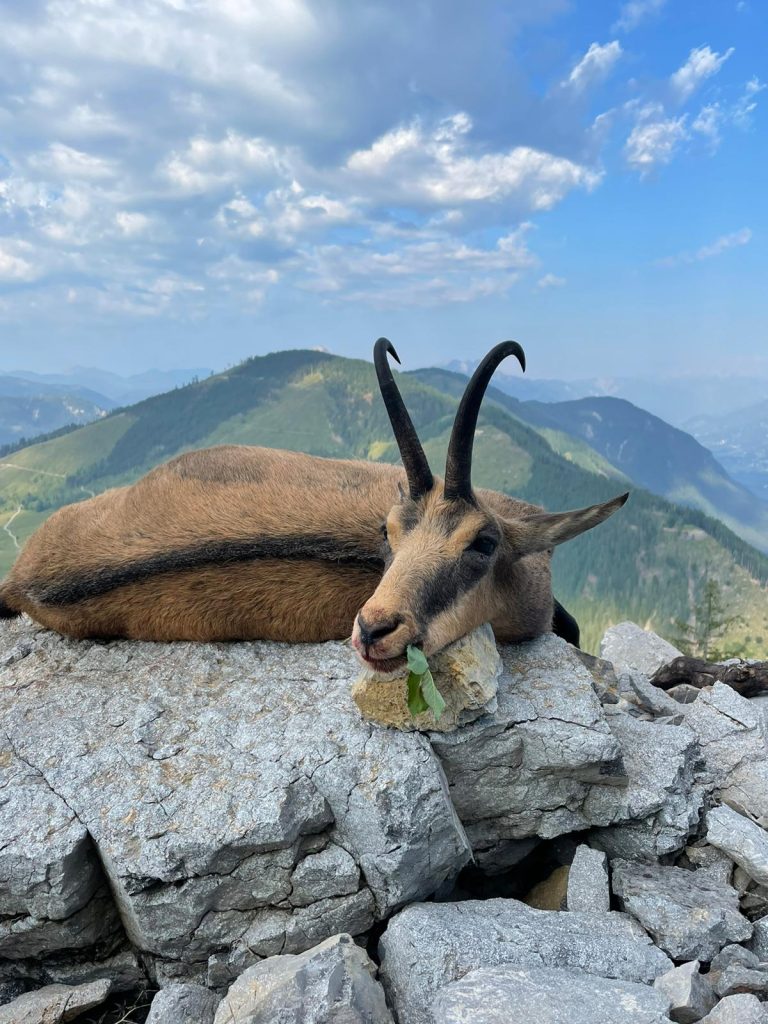
Chamois
Chamois hunting is available across several European regions, including:
- Romania
- Austria
- Spain
- Croatia
What actually tends to happen during chamois hunts is that reaching the animal often becomes more difficult than the final shot itself.
In our experience, mountain hunting works better for physically prepared hunters because terrain and weather quickly become major factors once the stalk begins.
Mouflon
Mouflon sheep are particularly popular in Hungary and Spain. These hunts combine mountain terrain with highly alert animals that require careful stalking and positioning.
Brown Bear Hunting
Europe also offers brown bear hunting in specific regions, particularly within Romania and Croatia.
Romania remains especially well known because of its strong bear populations within the Carpathian Mountains. Hunts often involve remote woodland environments and highly experienced local guides.
From working with hunters on bear trips over multiple seasons, we’ve found that patience and adaptability consistently matter more than rushing opportunities.
Driven Game Shooting in Europe
Alongside big game species, Europe also provides exceptional game shooting opportunities.
Pheasant and Partridge
The British Isles remain internationally recognised for driven pheasant and partridge shooting, while Spain also offers world-class driven red-legged partridge days.
In practice, we’ve found that British driven shooting works better for those seeking tradition and atmosphere, whereas Spanish partridge shooting often appeals to hunters wanting higher volume and faster birds.
Wild Duck and Other Game Birds
Countries such as Hungary also provide excellent wing shooting opportunities for species including wild duck and pheasant.
Why Europe Appeals to International Hunters
Europe continues attracting international hunters because no other region combines such a wide range of species, terrain, and hunting traditions within relatively short travel distances.
Across the hunts we organise annually, the biggest reasons hunters choose Europe include:
- Diverse species across multiple countries
- Traditional hunting cultures and established estates
- Combination of stalking, driven hunting, and mountain hunting
- Strong wildlife management systems
- Opportunities to combine several hunts within one trip
In our experience, European hunting works better for hunters wanting variety and flexibility because no two countries deliver exactly the same style of experience.
Equipment and Preparation
Preparation varies depending on the species and terrain involved. Mountain hunting requires very different equipment from woodland driven hunting or lowland stalking.
However, some essentials consistently matter:
- Reliable waterproof clothing
- Appropriate footwear for terrain and weather
- Stable rifle setups for uneven shooting positions
- Quality optics suitable for changing visibility conditions
Stable shooting systems such as those from Spartan Precision Equipment can improve stability significantly across mountain terrain or awkward woodland positions. Likewise, rifle reliability remains essential across all European hunting, which is why many hunters work with specialists such as Barton Gun Works before travelling.
Over the years, we’ve found that familiarity with equipment works better than constantly changing setups because confidence and consistency become increasingly important once opportunities develop quickly in the field.
Conclusion
If you’re wondering what animals you can hunt in Europe, the reality is that the continent offers one of the broadest and most varied hunting experiences anywhere in the world. From red stag and wild boar through to ibex, chamois, brown bear, and driven game shooting, Europe combines traditional hunting culture with exceptional diversity across multiple countries. At Field and Forest Hunting, we organise hunts throughout Europe using trusted estates, experienced local guides, and first-hand knowledge developed through years of working across the continent’s major hunting regions. Across the hunts we organise annually, what consistently stands out is how strongly hunters value the variety, authenticity, and depth of experience European hunting provides. If you want to explore European hunting opportunities for yourself, Contact us to find out more.